PRP in Bellingham, WA
Is persistent joint or tendon pain holding you back?
Platelet-rich plasma (PRP) therapy concentrates your body’s own platelets and growth factors, then delivers them directly to injured tissue without steroids or surgery.
With Dr. Borys, most PRP injections are performed with ultrasound guidance using clinician-prepared PRP to support healing and function.
Book an Initial Visit
Call (360) 738-3230
What Is PRP?
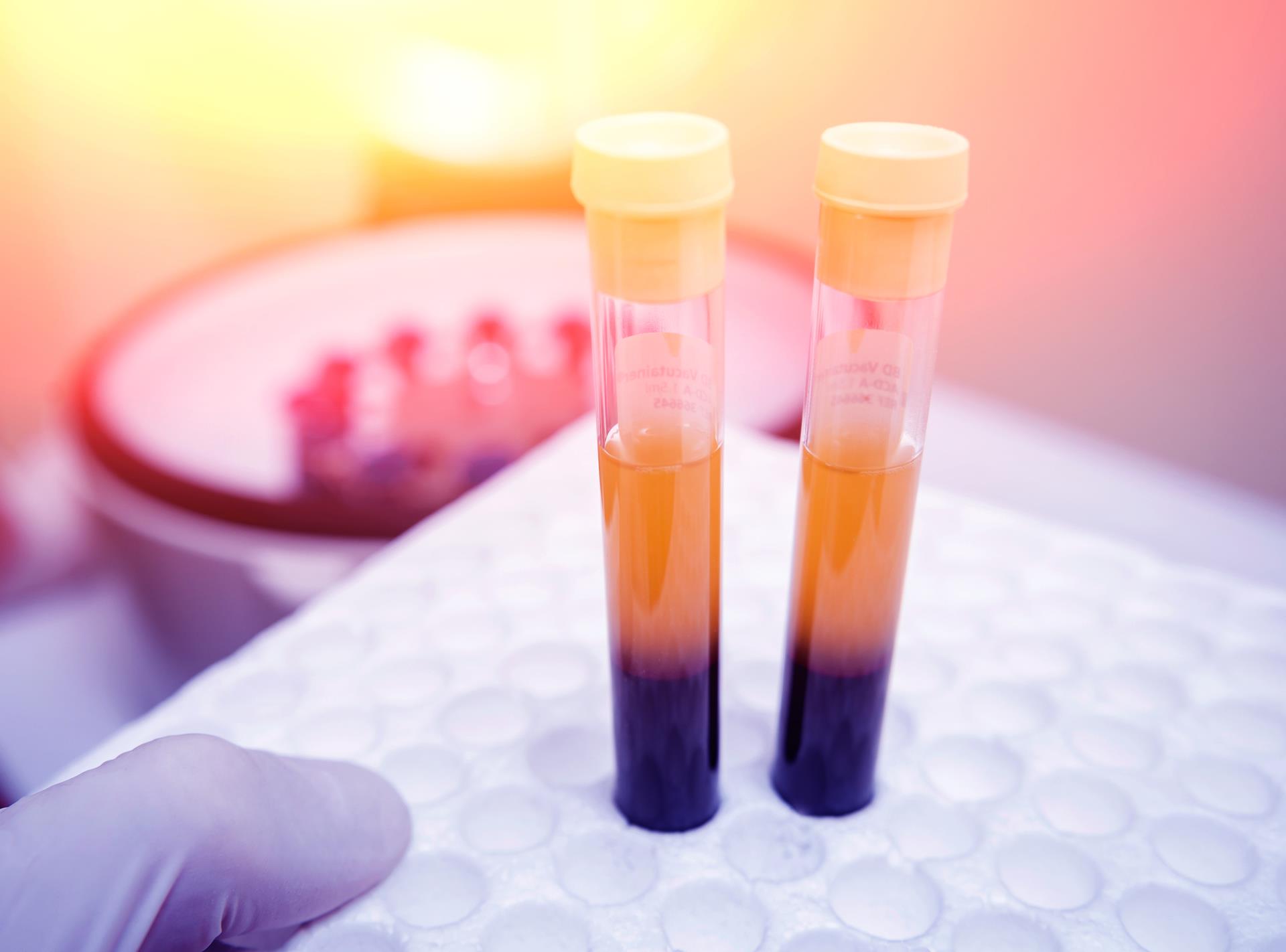
PRP stands for platelet-rich plasma. A sample of your blood is drawn and processed in a centrifuge to concentrate the platelets—cells rich in growth factors involved in tissue repair and healing. That concentrated preparation is then injected into the injured area, often under ultrasound guidance.
PRP is not a steroid injection and does not simply mask symptoms. The goal is to support the tissue’s own capacity to heal, reduce pain, and improve function over time.
Conditions PRP May Help
- Knee pain — osteoarthritis, patellar tendinopathy, post-meniscus symptoms
- Shoulder pain — rotator cuff tendinopathy and partial-thickness tears, biceps tendinopathy, adhesive capsulitis (frozen shoulder)
- Elbow pain — lateral epicondylitis (tennis elbow), medial epicondylitis (golfer’s elbow)
- Hip pain — gluteal tendinopathy / greater trochanteric pain syndrome
- Foot and ankle — Achilles tendinopathy, plantar fasciopathy
- Recurrent sprains or overuse injuries limiting sport, work, or daily activity
If your condition is not listed here, it is still worth a conversation. A careful evaluation is the clearest way to determine whether PRP is a good fit for your situation.
Why Choose PRP with Dr. Borys
Ultrasound-guided precision. Real-time imaging helps direct PRP to the intended tendon or joint while minimizing risk to nearby structures. Most injections are performed with ultrasound guidance to improve accuracy and better target the tissue being treated.
Clinician-prepared PRP. Your PRP is prepared in-clinic using a controlled process designed to produce a consistent platelet preparation.
Extensive regenerative training and experience. Dr. Borys’s training includes hands-on work with the Hackett Hemwall Patterson Foundation, along with hundreds of hours of continuing medical education in regenerative injection techniques over the past decade.
Conservative, naturopathic approach. The focus is on function, clear education, and the least invasive option that makes sense. Many patients are able to avoid unnecessary surgery or repeated steroid injections by pursuing regenerative care when appropriate.
Continuity of care. You see the same physician from evaluation through treatment and follow-up.
Clear rehabilitation plan. You will leave with a structured, progressive loading plan—and PT coordination when helpful—to support durable results.
How PRP Works
- Evaluation and diagnostic ultrasound to confirm the target tissue and determine candidacy.
- Blood draw — usually 60–240 mL, depending on the treatment area.
- PRP preparation in-clinic using a controlled process.
- Ultrasound-guided injection to the precise site of injury.
- Recovery plan with a graded return-to-activity protocol tailored to your condition.
The entire process typically takes about 90–120 minutes in a single office visit.
What to Expect After Treatment
Days 0–3: It is common to feel soreness or a short-lived flare at the injection site. This is a normal part of the process and is typically manageable.
Weeks 2–6: Many patients notice meaningful improvements in pain and function during this period.
Weeks 8–12+: Improvement may continue as tissue remodeling progresses. We reassess your progress and determine whether any additional treatment is warranted.
Pricing and Visits
PRP sessions typically range from $1,000 to $1,200, depending on the area treated and complexity. You will receive a clear, upfront quote after your initial evaluation.
PRP is generally an out-of-pocket procedure and is not typically covered by insurance. However, the initial evaluation and any medically necessary diagnostic ultrasound performed beforehand may be covered, depending on your insurance plan and benefits.
Treatment often begins with one session. In some cases, especially for more chronic or longstanding conditions, 2 to 3 treatments spaced 6 to 12 weeks apart may be recommended based on exam findings and response.
Is PRP Backed by Research?
PRP is one of the most actively studied treatments in musculoskeletal medicine, with thousands of published studies examining its use for joint, tendon, and ligament conditions. The evidence is strongest for knee osteoarthritis and chronic tendinopathies, where multiple controlled trials have shown meaningful improvements in pain and function.
That said, PRP is not appropriate for every condition, and outcomes vary depending on the specific diagnosis, severity, and individual factors.
Is PRP Right for You?
PRP may be a good fit for people with joint pain, chronic tendon issues, certain ligament injuries, and in some cases more advanced or longstanding musculoskeletal conditions who are looking for a non-surgical, restorative approach.
A consultation and in-clinic musculoskeletal ultrasound with Dr. Borys is the first step in determining whether PRP is an appropriate option for your condition.
Book an Initial Visit
Call (360) 738-3230
Frequently Asked Questions
How many PRP sessions will I need?
Many people do well with a single treatment. Chronic or longstanding issues may benefit from 2 to 3 sessions spaced 6 to 12 weeks apart.
What is the downtime after a PRP injection?
Most patients return to desk work the same day or the next. Avoid intense exercise or heavy lifting for 3 to 7 days.
Why is ultrasound guidance important?
Ultrasound lets us see the target tissue in real time and place PRP more precisely where it needs to go.
Do I need to stop any medications or supplements?
We typically ask patients to pause NSAIDs and review supplements or medications that affect platelets.
Can I drive myself home after the procedure?
For most non-spine procedures, yes, as long as you feel steady.
When will I notice improvement?
Many patients notice meaningful improvement within 6 to 12 weeks.
Who is a good candidate for PRP?
PRP may be a good fit for people with joint pain, chronic tendon issues, and injuries who are looking for a non-surgical approach.
Ready to find out if PRP can help?
The first step is a careful evaluation—not a commitment to any procedure. Book an initial visit, and we will determine together whether PRP is the right approach for your situation.
Book an Initial Visit
Call (360) 738-3230